
Blog Đồng Hồ 360
Best Italian watch brands | BUYING GUIDES
[ad_1]
Pietro Pilla
Italy is synonymous with style and elegance. It has a rich heritage not only in the manufacture of watches but, more importantly, in setting trends and markets for past and present classics. In this article, we’ll examine the current Italian watch scene, which is often overshadowed by some of its European cousins – a fate unfortunately shared by its Spanish counterparts.
There’s always been something special about Italian watch brands, setting them apart from the rest by carving their own path with unique designs and impeccable attention to detail. The deep history and art present in the country since the beginning of modern civilisation have helped to shape current tastes and the ability to create timeless designs. The result of this is a wide range of outlets. Aside from food, the country’s global reputation for luxury cars, fashion, and art has created a creative environment that has influenced the watchmaking industry, making it a natural place to explore Italian creativity. So whether it’s on the wrist of a rugged sailor, with highly legible dials and sturdy cases, or on the wrist of an elegant gentleman, with precious metals and intricate shapes, Italian watches always exude a unique character and charm. Let us take you on a Giro d’Italia and find some of the best Italian watch brands.
echo/neutra
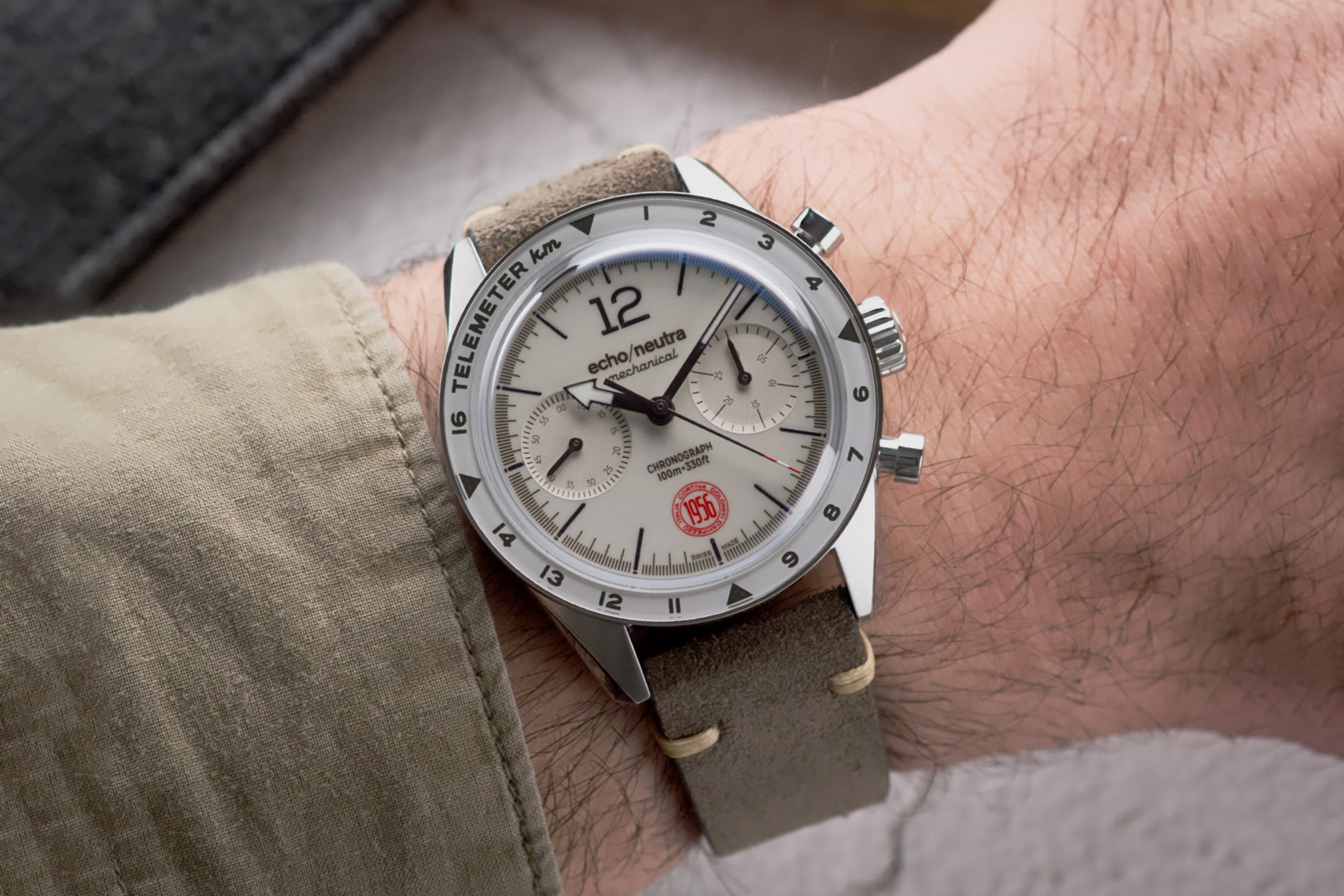
Launched on Kickstarter in 2019, echo/neutra is based in a small town in the north-east of Italy. Its founders, Nicola Callegaro and Cristiano Quaglia, come from very different backgrounds, the former being a product and brand designer and the latter an aerospace engineer. With many watches inspired by the local mountains, which both founders are passionate about, the brand’s philosophy is to have the ability to last over time, not only thanks to good quality and care in the manufacturing process, but above all, thanks to the timelessness of the design, which won’t make them go out of fashion. Discover the echo/neutra range in the Time+Tide Shop here.
Bulgari
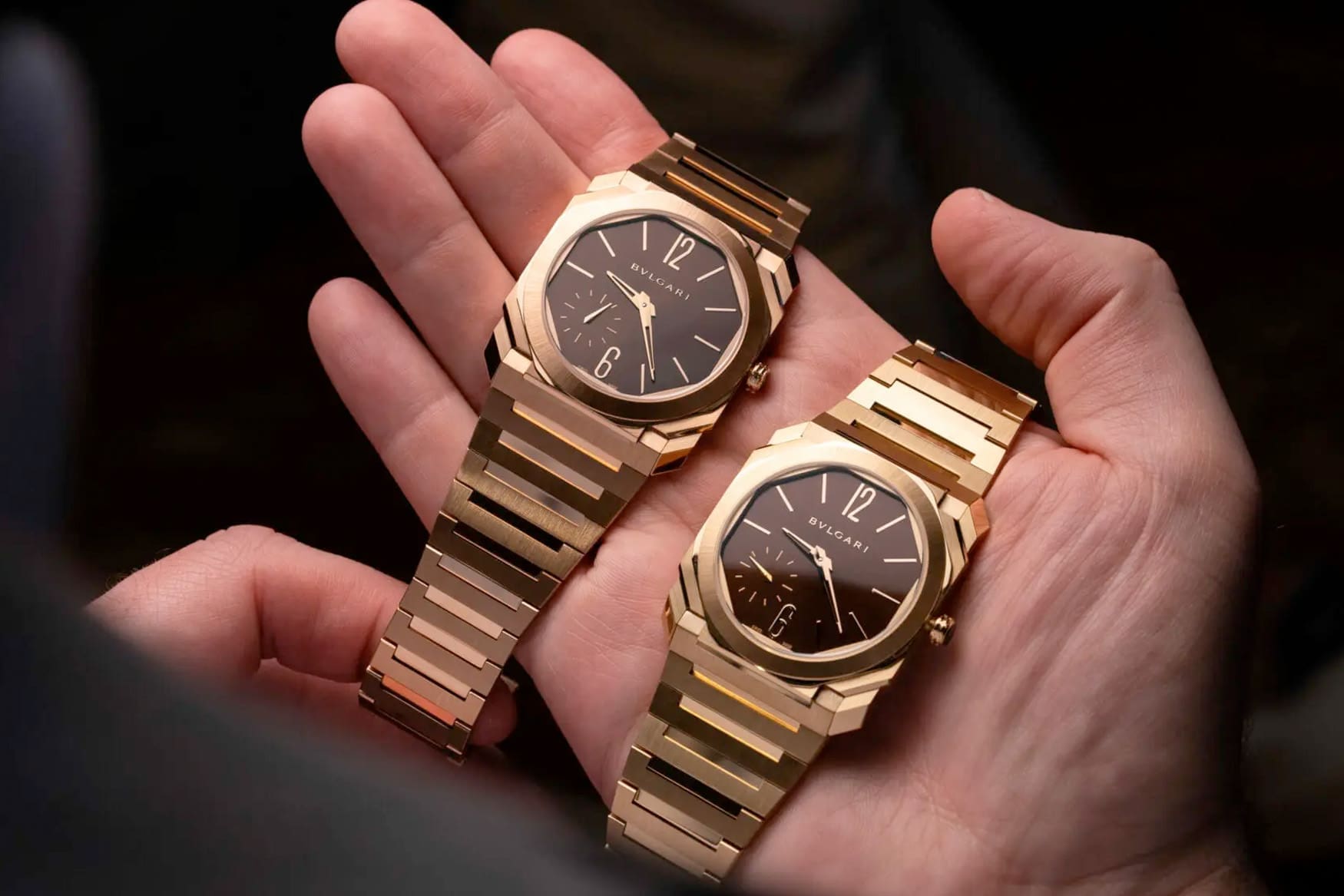
Bulgari is one of the most revered jewellery brands in the world. Founded in Rome in 1884 by Greek silversmith Sotirios Voulgaris, the brand was quickly able to establish a reputation for exquisite craftsmanship and inventive creations. Over the decades that preceded, they have gone on to produce some of the most famous icons in the jewellery world, notably worn by legends such as Elizabeth Taylor in her film Cleopatra. Or for those of you with more contemporary taste, perhaps the $7 million 107-carat sapphire worn by Anne Hathaway at Cannes in 2022 will give you an idea of how important Bugatti’s jewellery history is.
Where do watches fit in here? As far back as a lot of the biggest watch brands in the entire industry, in fact. Records of wristwatches being incorporated into ladies’ jewellery go back as far as the 1920s, in line with the dominant Art Deco style of the era. Rectangular watches began to be offered to gentlemen in the 1930s, and then things really took off in the 40s, with the introduction of the first iterations of the Serpenti, coiling around the wrist and lower forearm. This was Bulgari breaking boundaries and setting trends that no one else dared touch.
Their watches went on through the 1970s to the ’90s, taking on a more sporty approach, with watches like the Aluminium, which paved the way for the watches we see today in the Octo collection. They’ve continued to push boundaries with the Octo, introducing challenging materials and technologies, which so far have landed them eight world records for thinness, ranging from a 5mm tourbillon to the incredible 1.8mm-tall Octo Finissimo Ultra. Bulgari is so much more than a jewellery brand having a go at watches: they’re an Italian powerhouse of design and innovation, and it’s quite frankly amazing what they’ve achieved over the decades.
Gagà Milano & Gagà Laboratorio
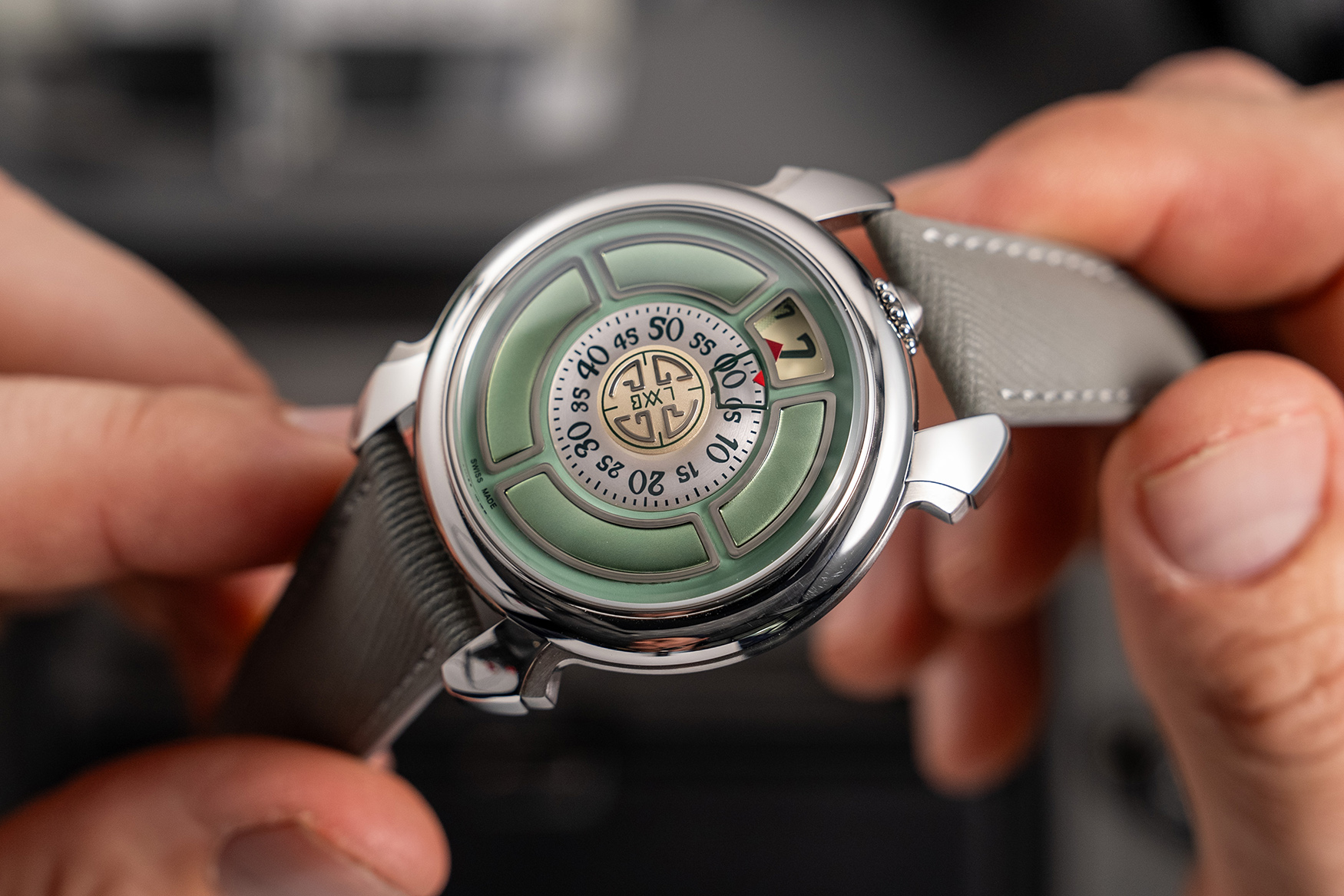
We’re going to talk about two brands together. They share a founder and some design cues, but the similarities end there, as they pay tribute to different eras and have very different values behind them. The founder of both, Ruben Tomella, started with Gagà Milano in 2004 with a watch inspired by old pocket watches, with the crown at 12 o’clock, welded lugs and manual winding. In 2020, together with his friend and industry veteran Mo Coppoletta, a spin-off of the brand was born, Laboratorio, with a more traditional take on the recognisable case shape. Gagà is the Italian word for “dandy”, and the unmistakable style is interpreted in two different ways in the two brands: one more classic and one more flamboyant.
HTD – Horological Tools Department

HTD is based in Florence, and was founded in 2020 by Federico Del Guerra and Federico Zulian and focuses on small batch production. The two founders met during their academic studies, brought together by a shared love of watches and vintage mechanics. As a result, the brand’s identity revolves around the spirit of the last century, with racing, sailing and diving as its protagonists. (They’ve also done a cool tennis-themed watch!)
While the vintage inspiration is evident, it is also immediately apparent that these are modern watches, with unique designs for each release, never repeated in the same configuration as part of the brand’s philosophy.
Gucci
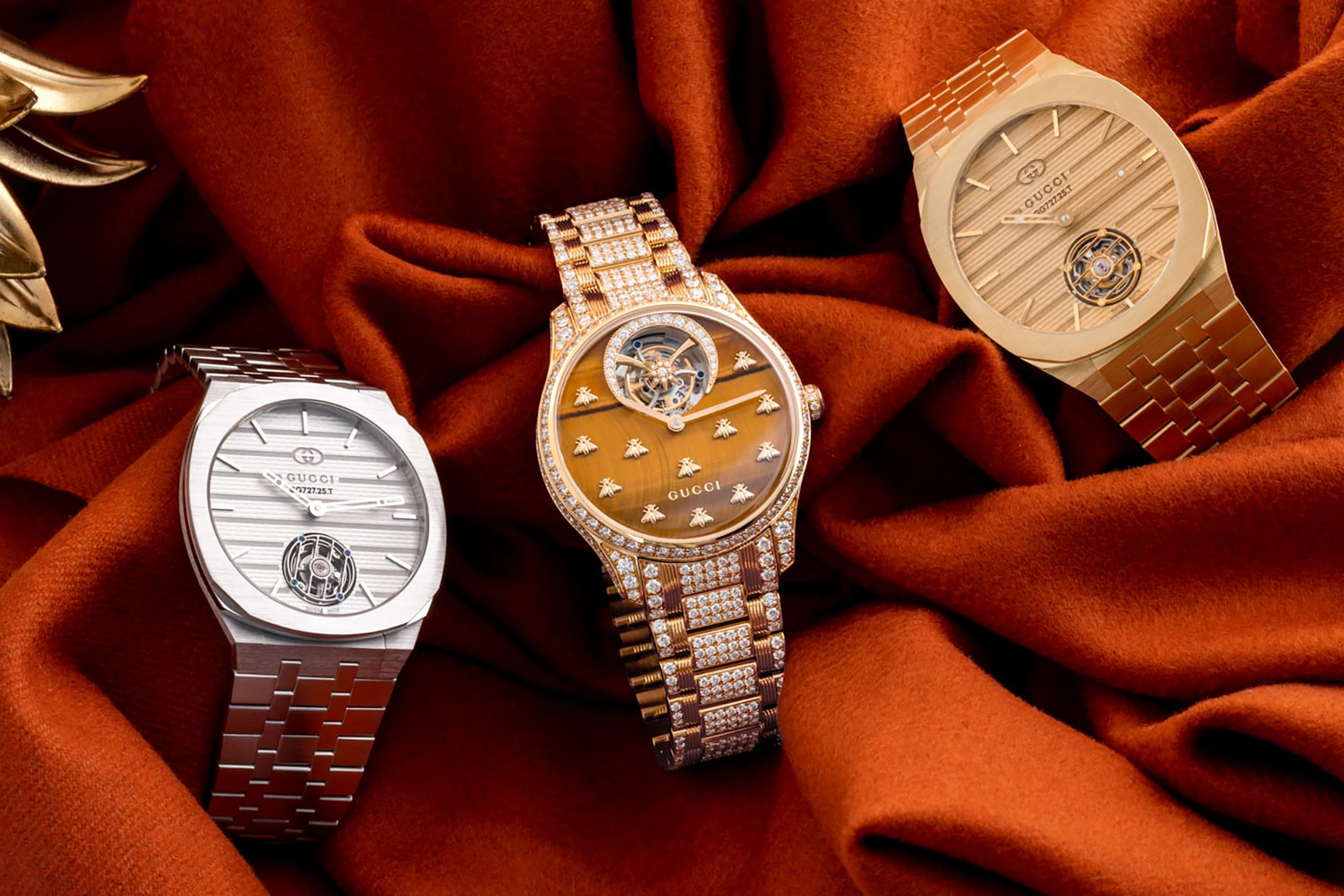
When Gucci comes up in conversation, it’s usually not for its watches, but for its significance as one of the luxury world’s leading fashion houses. In recent years, however, the Maison has evolved from producing otherwise uninspiring fashion watches to designing and producing mechanical wristwatches with a very distinctive design.
While both types of watches are currently available, we are seeing a slow movement towards more technically impressive timepieces, which we hope will take over this side of the business. With this in mind, Gucci opened its own a watch manufacture in La Chaux-de-Fonds, Switzerland in 2023, with a particular focus on higher-end, complicated products.
D1 Milano

D1 Milano is not a microbrand in the sense we’re familiar with. It wasn’t funded on Kickstarter or created by users of a watch forum, but rather it was created for Milan Fashion Week in 2013 – how quintessentially Italian! Dario Spallone was in his final year of an economics degree at Università Bocconi at the time, and the business was incubated by its Speed MI Up program. Naturally, the Italian and specifically Milanese roots of the brand speak through its designs, and that’s a laid-back approach of 1970s quirk modified for contemporary tastes, powered by quartz movements to keep prices low.
All D1 Milano pieces share a common case design (which is definitely inspired by a Holy Trinity one), but cast in innovative materials, such as the polycarbon ‘Sketch’ models above, or in ceramic, presenting some of the most affordable fully ceramic watches on the market. They’re also available in the Time+Tide Shop here.
Venezianico

This young brand was founded in 2017 by Alberto and Alessandro Morelli, two brothers who live in the Venice area. Venezianico started when they were still studying in Venice and brings together both their passion for design and watchmaking. Most of their watches are inspired by the artistic heritage of Venice, but they’re also at the forefront of the new wave of brands using hard stone dials. They also often explore other artistic techniques and adapt them to their watches.
The brand’s logo is reminiscent of the cross found on the top of Venice’s clock tower, and they believe in maintaining mechanical purity in all their collections. For this reason, they only make mechanical timepieces, with movements sourced from both Switzerland and Asia, including NOS Lemania movements.
Giuliano Mazzuoli
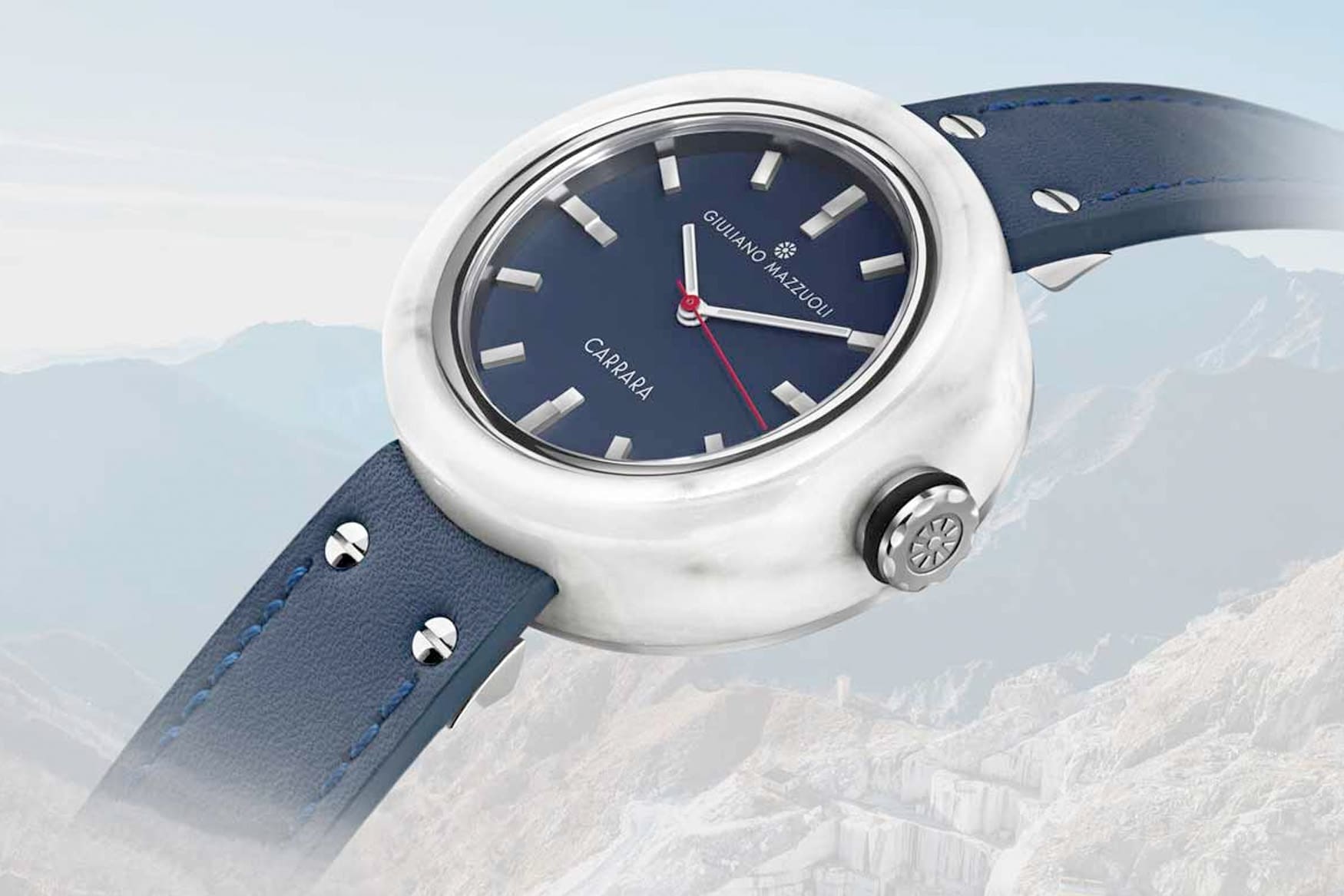
Founded in Florence in 2005 by its namesake, Giuliano Mazzuoli is a niche independent watch brand with a distinctive, characteristic design language. Principally a designer and architect, Signore Mazzuoli has numerous design successes under his belt, such as unique writing instruments and stationery, which built a decades-long relationship with the MoMA in New York. Mazzuoli eventually went on to turn his hand to creating a wristwatch after being inspired by an air pressure gauge on an air compressor in his print shop. Multiple prototypes later, the Manometro was born, the first in a line of unique, dial instrument-inspired wristwatches.
The range goes on to include the Contagiri, inspired by the dials of an Alfa Romeo 8C supercar; the Trasmissione Meccanica, influenced by clutch and transmission mechanisms; and finally the more traditional Carrara, which features a case made from Italian marble from the Apuan Alps in Carrara, around 100km from Florence.
U-Boat
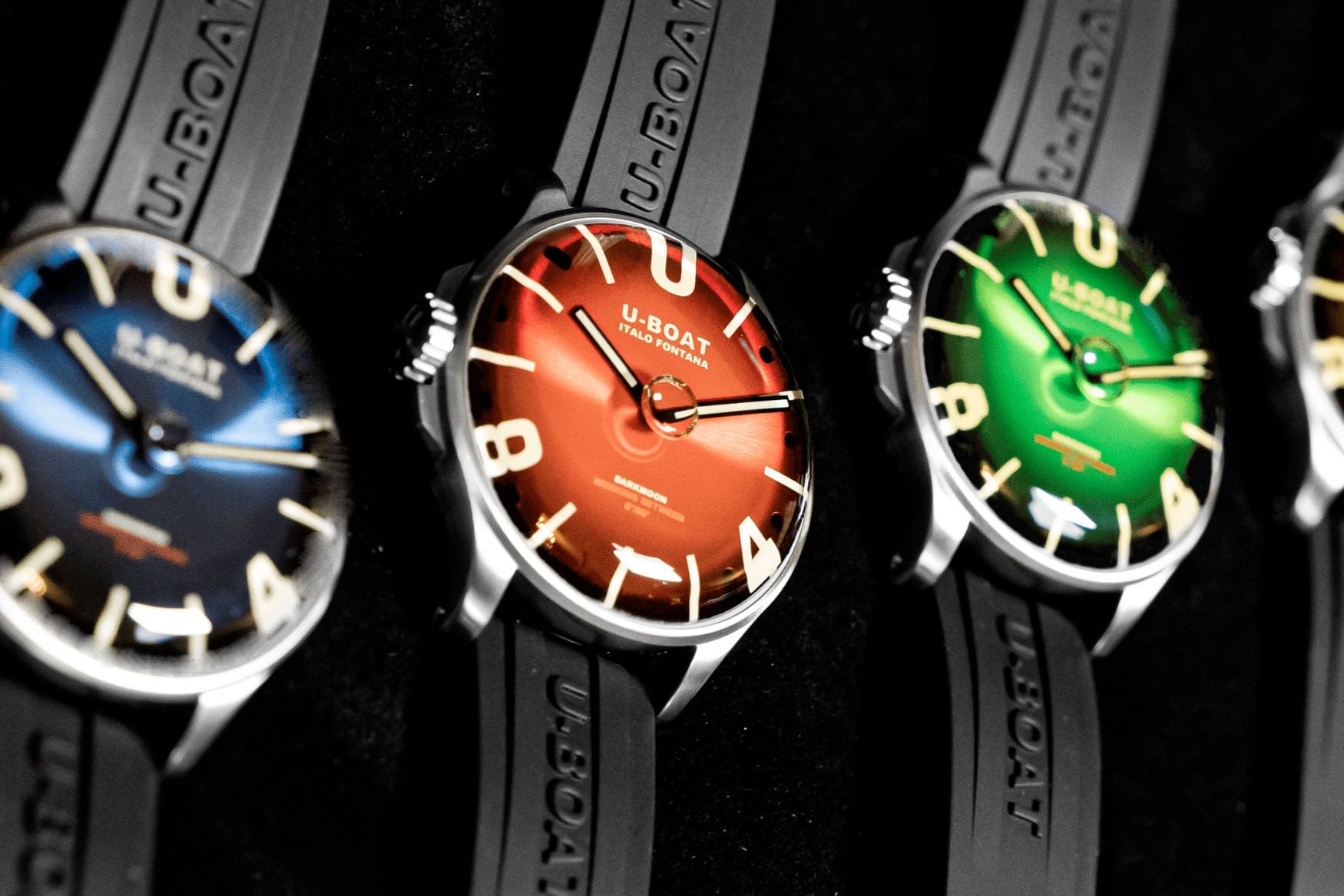
A relatively young watch brand, U-Boat was founded at the foot of the Gragnano hills in Tuscany in the year 2000. What is relatively unknown is that its heritage goes back a lot further than that. Founder Italo Fontana’s grandfather, Ilvo, had been commissioned in the 1940s to produce watches for the Italian Navy, a project which failed to come to fruition, and the watches were never made. Upon discovering his grandfather’s old sketches and design ideas for military dive watches 60 years later, Fontana Jr was inspired to realise his grandfather’s ambitions and go on to create the wristwatches we know today.
The watch designs are distinct, and it’s refreshing to see that they are certainly not a direct copy of the typical dive watch DNA we see in most brands. They could have simply taken elements from multiple brands of dive watches, and yet they produce watches such as the Capsoil and the Darkmoon: large, oil-filled watches which, when submerged, create the illusion of the absence of a crystal, and an optical effect of a more intense display and much greater legibility. While the aesthetics often divide opinions, it makes the watches truly distinctive and shows that U-Boat is not afraid to tread its own path, and that deserves respect.
Unimatic
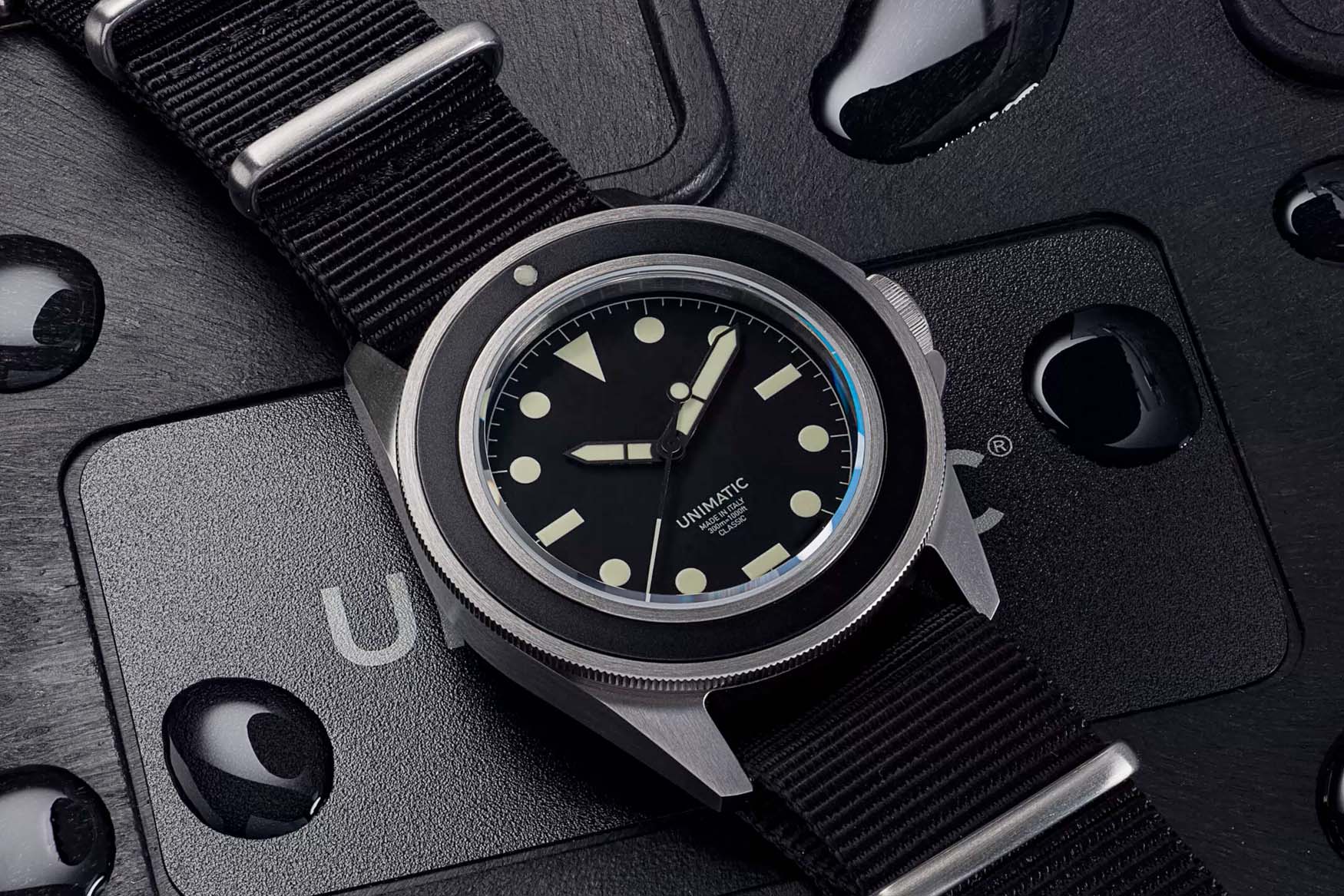
Unimatic is the product of two Milanese industrial design students, Giovanni Moro and Simone Nunziato, who met at university, studying at the Politecnico di Milano. The pair struck up a friendship after discovering they shared a common interest and passion in wristwatches, amongst other things, including industrial design. In 2015, they released their first watch as Unimatic, the Modello Uno. Following ongoing success, the product lineup has since expanded to 4 core watches: a diver, a field watch, a chronograph, and a military-inspired watch, with a multitude of collaborative special editions.
Once again in true Italian style, Unimatic have gone on to do things its own way, taking traditional design elements and applying its own style of minimalistic, industrial – almost brutalist – formulations. The dials and bezels are uncluttered, the watch case edges are chunky, angular and raw. They almost look like they’re missing elements, until you realise the look is intentional, and there’s something interesting about how they’ve managed to make something so utilitarian look so chic.
Panerai
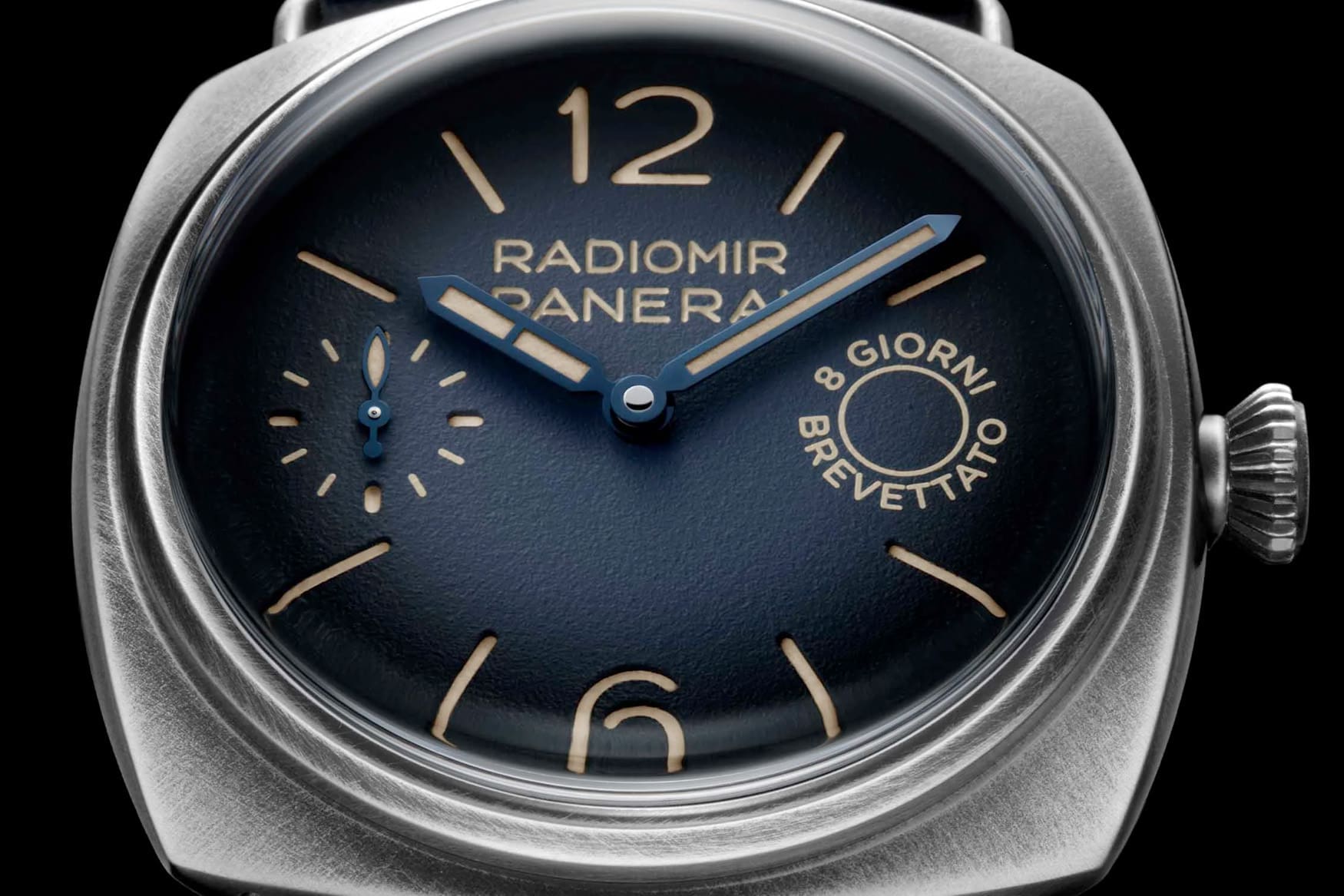
And now for the most famous Italian watchmaker. In 1860, Giovanni Panerai opened his first shop at Ponte alle Grazie in Florence. This is where the story of Panerai begins, as it went from a diving equipment shop to a watch shop and workshop, and eventually to the city’s first watchmaking school, deep in the epicentre of Italy’s home of artisanship and artistic creativity.
At that point, Panerai had already been producing precision instruments for the Italian military, but in order to meet their ever-increasing demands, Panerai developed a radium-based powder to make the dials of these instruments brighter in low light conditions, and it was at this point in 1916 that Radiomir was born. It wouldn’t be until the 1930s that the first Panerai-dialled Rolex watches were produced, with the reference 2533 heralded as the first Radiomir.
Today, they’re part of the Richemont group and have their modern manufacturing embedded in Switzerland, but it is a brand that is proud of its Italian history. Panerai now has three core lines consisting of the traditional Radiomir, the more technical Luminor and finally the hardcore Submersible. Each line has a wide array of material choices, from stainless steel, bronze, gold, and even carbon fibre, and each one is instantly recognisable as a Panerai, not only with its distinctive size but also with elements such as its patented crown guard system and oversized numerals.
If your wrists are big enough, there’s a watch for everyone in their collection, and as a brand that these days doesn’t get quite as much attention as it used to, it certainly deserves more, given that they are loaded with history and helped to put Italy on the watchmaking map.
Honourable mention: Oisa 1937

This last mention is not a watch brand, but it is worth adding to this list. Italy is not famous for watchmaking in general, and even less so when it comes to making movements. Oisa was founded in 1937 by Domenico Morezzi and was able to produce up to 10,000 movements per month at the time of its opening, but was forced to close in 1978 due to the quartz crisis. In 2017, Domenico’s heir and grandson decided to revive the family business. Today, the factory is located in Pavia, south of Milan, and produces a movement in several versions. It also offers bespoke solutions in terms of movement architecture and finishing for a truly Italian, unique product.